Loading...
Serving Bellingham, WA and surrounding areas. (360) 603-9790
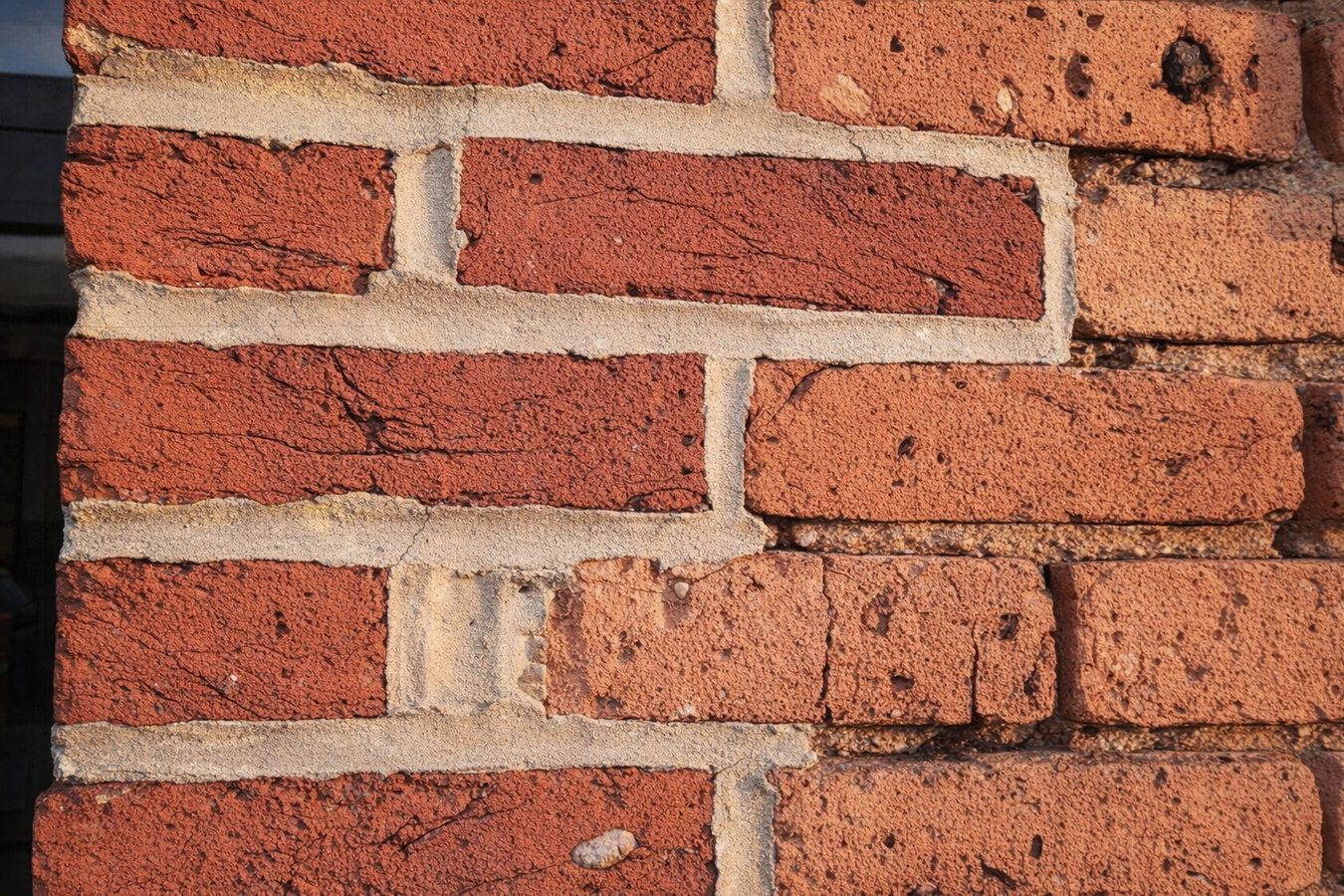
Crumbling mortar and stained brick get worse every rainy season. We assess the damage, match your original materials, and restore your masonry so it holds up through whatever Bellingham's weather brings next.
Masonry restoration in Bellingham means repairing, cleaning, and stabilizing brick, stone, or block surfaces so they hold up over time - most repointing jobs on a single chimney or wall section take one to three days, while larger foundation or retaining wall projects may run a week.
The most common repair is repointing - removing deteriorated mortar and packing in fresh material that matches the original in color, texture, and strength. Bellingham's 57 inches of annual rainfall and regular freeze-thaw cycles make mortar joint failure one of the most urgent maintenance issues a homeowner here can face. Water that gets through failing joints in October can spend all winter expanding cracks from the inside. If your home has both mortar and structural brick issues, our fireplace installation and stone masonry services cover the related work you may need alongside a restoration project.
Run your finger along the joints between your bricks or stones. If the mortar crumbles away easily, feels soft and sandy, or has gaps where it has fallen out, that is a clear sign restoration is needed. In Bellingham's wet climate, this kind of joint failure is the most common entry point for water damage, and it tends to get worse quickly once it starts.
White, powdery deposits forming on the face of your masonry - especially after a rainy stretch - are a sign moisture is moving through the wall and carrying dissolved salts to the surface. This is particularly common on older Bellingham homes and on properties near the waterfront where salt air adds to the problem. It is not just cosmetic: it tells you water is getting in and needs to be addressed.
If you noticed a hairline crack last spring and it looks wider or longer now, Bellingham's freeze-thaw cycle has likely been at work. Water gets into the crack, freezes, expands, and opens the crack a little more each time. Cracks that are growing should be assessed by a mason before the next wet season.
If you notice moisture, staining, or a musty smell on an interior wall that backs up to a brick chimney or stone foundation, water is likely getting through the masonry outside. This is a later-stage sign - by the time moisture shows up inside, the exterior masonry has usually been compromised for a while and needs prompt attention.
We handle the full range of masonry restoration work on residential properties - from repointing chimney joints and cleaning stained brick to repairing cracked stone foundations and sealing walls against future water infiltration. Every job starts with a careful look at what your existing masonry is made of, because choosing the right replacement mortar is the single most important decision in a restoration project. For homes in Bellingham's older neighborhoods with original lime-based mortars, we assess the existing material before mixing anything. Where your project also involves adding or updating a fireplace, our fireplace installation service works hand in hand with restoration work.
Beyond repointing, we address efflorescence - the white salt deposits that form on brick when water moves through the wall - by treating the surface and sealing the entry points rather than just cleaning the symptom. We also tie restoration work to adjacent projects like stone masonry when a property has mixed materials that all need attention at once. Whether the project is a single chimney or a full exterior wall, you get a written estimate before work starts and a walkthrough when it is finished.
Best for homes where mortar is crumbling, sunken, or missing between bricks or stones on a chimney, foundation, or exterior wall.
Best for properties with recurring white salt deposits on brick or stone that come back after cleaning - the entry points need to be sealed at the source.
Best for pre-1950 homes in neighborhoods like Sehome, Lettered Streets, or Fairhaven where the original softer mortar must be matched to avoid stressing the brick.
Best for walls with visible cracks that have grown over one or more winters, signaling active freeze-thaw damage that needs to be stopped.
Bellingham averages around 57 inches of rain a year, with the heaviest stretch running from October through March. That sustained moisture is the primary enemy of mortar joints and brick surfaces - water seeps into small cracks, and when temperatures dip below freezing in winter, it expands and widens those cracks year after year. The combination of heavy rain and regular freeze-thaw cycles means masonry in Bellingham deteriorates faster than it would in a drier climate. Homes in Ferndale and Lynden face the same conditions just north of the city, and we work throughout Whatcom County on the same freeze-thaw damage that affects every older masonry home in the region.
Bellingham's older neighborhoods add a layer of complexity that matters to every restoration project. Homes in Sehome, Lettered Streets, and Fairhaven were typically built with lime-based mortars that are softer and more flexible than modern mixes. Properties near Bellingham Bay and the Salish Sea also face salt-laden air that accelerates the breakdown of mortar and produces white chalky deposits on brick surfaces year-round. A contractor who understands these local conditions - including the National Park Service preservation guidelines for historic masonry - brings that knowledge to every estimate and every repair.
We will ask a few basic questions about what you are seeing and where on the house it is. You will hear back within one business day to schedule an on-site visit - we do not price masonry work over the phone.
We walk the area with you, probe the mortar joints, and assess how deep the damage goes. You get a written estimate that covers the scope, the materials, and the total cost - no add-ons once work begins unless you approve a change.
The crew grinds or chisels out damaged mortar to a consistent depth, then packs in matched fresh mortar in stages. Nearby plants and surfaces are protected, and the work area is cleaned at the end of each day.
Once the work is done, we walk you through what was completed and what to watch in the coming months. In Bellingham's cool, damp weather, mortar may need two to four weeks to fully harden before pressure washing near the repaired area.
Free on-site estimate. Written quote before any work starts. No obligation.
(360) 603-9790Bellingham's pre-1950 housing stock requires mortar that is soft enough to flex with the original brick. We assess your existing material before mixing anything, so the repair works with your home rather than against it - protecting bricks that would cost far more to replace.
Structural masonry work in Bellingham requires a city permit, and some homeowners only find out after a contractor has already started. We handle the permit process when it applies, so there are no work stoppages and no complications when you eventually sell your home.
Properties near Bellingham Bay and the Salish Sea face salt air that accelerates mortar breakdown year-round. We factor in coastal exposure when we assess your masonry and choose repair materials, so the work holds up against the conditions your specific home faces.
Booking restoration in late summer or early fall gives repaired joints time to fully cure before October rains arrive. We keep our fall schedule clear for homeowners who want their masonry sealed and protected going into winter - call early, as those weeks fill up.
Washington State requires all masonry contractors to hold an active license through the Department of Labor and Industries, and you can verify any contractor in about two minutes before you sign anything. Every restoration project we take on is backed by that licensing, so you have legal recourse and a clear paper trail if anything does not go right.
New masonry fireplace construction or replacement of a failed firebox - built to handle Bellingham's seismic activity and persistent moisture.
Learn MoreNatural stone work for walls, steps, and features where durability and appearance both matter on a Pacific Northwest property.
Learn MoreFall booking slots fill up quickly - reach out now and get your repairs cured and protected before October rains arrive.