Loading...
Serving Bellingham, WA and surrounding areas. (360) 603-9790
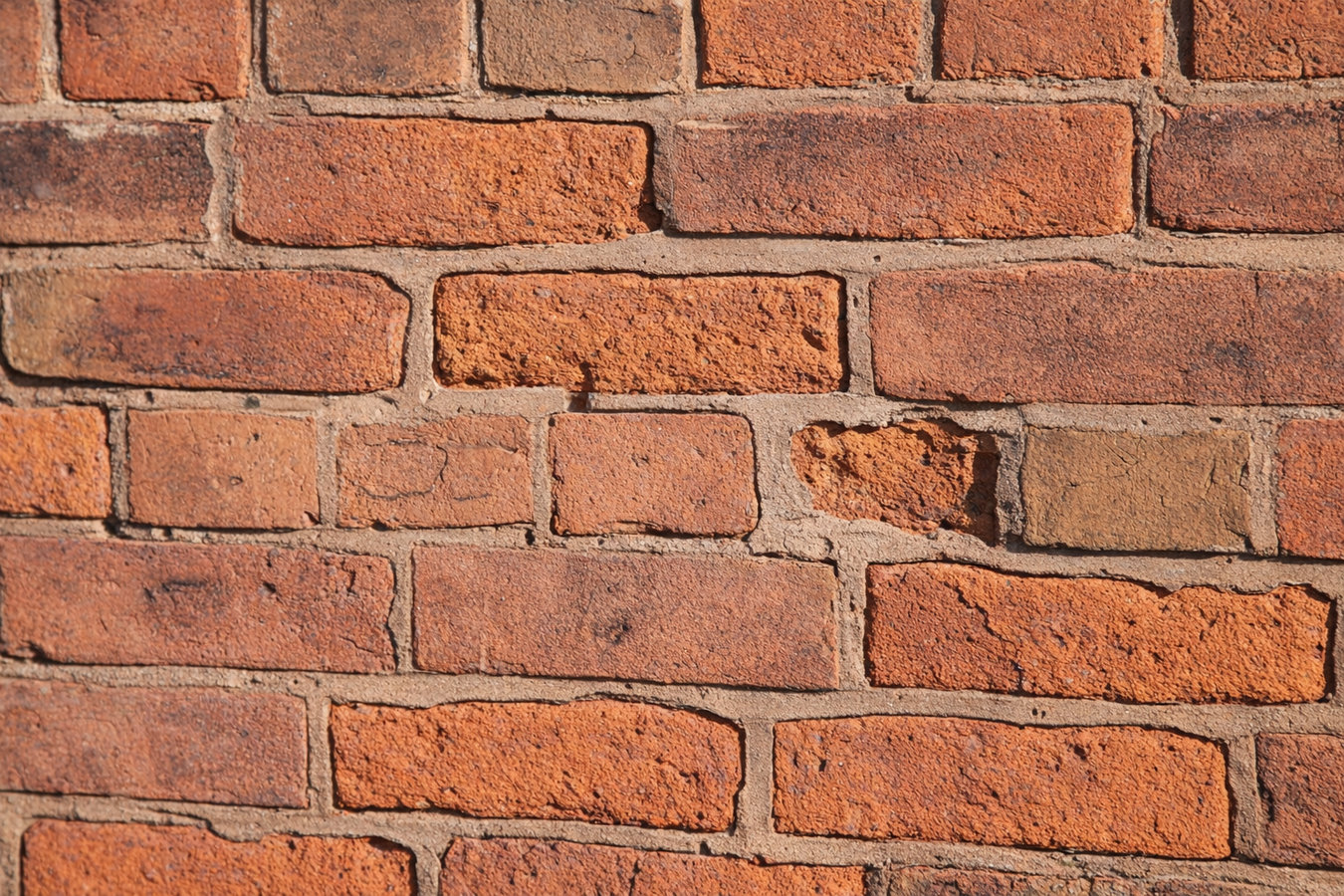
Every gap in your mortar is an open door for Bellingham rain. We remove failed mortar to the right depth, match the mix to your brick, and pack the joints solid so water stays on the outside where it belongs.
Brick pointing in Bellingham, WA means grinding or chiseling out the old crumbling mortar between bricks to a depth of about three-quarters of an inch, then packing in fresh mortar matched to the hardness and color of the original - with a typical chimney or small wall section taking one to two days and a full exterior wall running three to five days.
Mortar is designed to be softer than the bricks it bonds - it absorbs movement and stress so the bricks themselves do not crack. That softness also means mortar weathers and erodes over time, typically needing attention every 20 to 30 years. In Bellingham, with around 57 inches of rain each year and regular freeze-thaw cycles from November through March, that timeline runs shorter than in drier climates. Water that gets into even small cracks expands when it freezes, widening those cracks season after season.
If your brickwork has cracked or shifted bricks alongside the mortar failure, that may point to a deeper structural issue - our foundation repair service covers those assessments and can be scheduled alongside pointing work when the two issues are connected.
Run your finger along the mortar lines between your bricks. If the material feels soft, sandy, or crumbles away easily, the mortar has broken down and is no longer doing its job. In Bellingham's wet climate, this surface erosion is one of the earliest signs that pointing is overdue - what looks minor now gets worse each winter.
Chalky white streaks or patches on your brick after rain are called efflorescence - they show up when water moves through the wall and carries dissolved salts to the surface. Failed mortar joints are one of the most common entry points for that water. Bellingham's rainfall makes this a frequent finding on older homes in Sehome, South Hill, and the Lettered Streets.
Stand back and look at your brickwork. If you can see dark gaps or sections where mortar is clearly missing, water is entering those voids every time it rains. Left unaddressed through a Bellingham winter, those gaps grow as freeze-thaw cycles push the bricks further apart and the damage compounds.
If you notice moisture, staining, or a musty smell on the interior side of a brick chimney, fireplace surround, or exterior wall, failed mortar joints on the outside may be the cause. Water travels through masonry slowly, so by the time you see it inside, the exterior joints have often been compromised for some time.
We handle brick pointing on chimneys, exterior walls, retaining structures, and garden features throughout Bellingham and Whatcom County. Every job starts the same way: we assess the existing mortar carefully before ordering a single bag of new material. Mortar selection is not a detail - using a mix that is too hard for the brick it is bonding can cause the bricks themselves to crack over time rather than the joint absorbing stress. On Bellingham homes built before about 1950, where original mortars were softer lime-based mixes, this is especially important to get right.
Brick pointing is closely related to tuckpointing, a technique that uses two contrasting mortar colors to create finer-looking joints on older decorative brickwork. If your home has original decorative brickwork and you want to preserve that look, we can discuss whether standard repointing or a tuckpointing approach is the better match.
For chimneys with crumbling or recessed mortar joints - suits homeowners noticing white staining or moisture near the fireplace who want to stop the problem before it reaches the flashing or crown.
For brick exterior walls, garden features, and retaining structures where widespread joint erosion has left the wall vulnerable to water infiltration - common on Bellingham homes built before World War II.
For walls where most joints are still sound but localized sections have failed - avoids the cost of a full repoint when only specific areas need attention.
For pre-1950 homes in Fairhaven, the Lettered Streets, and Sehome where the original lime-based mortar must be matched in hardness and color - the wrong mix will damage bricks that have survived a century.
Bellingham's wet climate compresses the reliable window for pointing work to roughly May through September. Mortar needs temperatures above 40 degrees and dry conditions to cure properly - fresh mortar that freezes before it hardens will fail quickly. That short season means qualified contractors book up fast in spring, so if you notice a problem in fall or winter it is worth scheduling early rather than waiting until conditions are right and then finding no one available. Homes closer to Bellingham Bay and the waterfront face an additional factor: salt air from the bay is corrosive to mortar over time, and properties within a half-mile of the water tend to see joint deterioration faster than those further inland.
The housing stock in Bellingham's established neighborhoods is another local factor. Homes in the Lettered Streets, Sehome, and South Hill were mostly built between the 1890s and 1940s using lime-based mortars that are softer and more flexible than modern cement mixes. Using the wrong mortar on these older homes is one of the most common mistakes contractors make - it looks fine at first but causes bricks to crack and spall within a few years as the harder joint prevents the natural movement the building was designed to accommodate. We serve homeowners throughout the county, including in Blaine and Everson, where the same older housing stock and wet winters create the same considerations.
Technical guidance on repointing mortar joints in historic masonry is published by the National Park Service Preservation Brief 2. Brick masonry standards and mortar selection guidance are available from the Brick Industry Association.
Call or submit the contact form and we respond within one business day. We will ask a few basic questions - where the brickwork is, roughly how large the area is, and whether you have noticed any specific damage. We then schedule an in-person look, because mortar condition and accessibility both drive the cost significantly.
The mason walks the area with you, checks joint condition up close, and assesses the color and hardness of your existing mortar so a matching mix can be selected. You receive a written estimate covering the scope of work - what areas will be pointed, how old mortar will be removed, and what the finished joints will look like.
The crew uses a small angle grinder or hand tools to remove old mortar to the correct depth - about three-quarters of an inch - without damaging the bricks. Joints are then cleaned out with compressed air or a brush before new mortar goes in. Proper preparation is what makes the new mortar bond correctly and last.
Fresh mortar is packed into the cleaned joints in layers and shaped to match the original profile. After pointing is complete, the crew removes drop cloths and sweeps the work area. The mason walks the finished work with you. Fresh mortar takes about 28 days to reach full strength - avoid pressure washing the area during that window.
We will walk the work with you, explain exactly what needs to be done, and give you a written quote - no obligation and no surprise costs once the job starts.
(360) 603-9790We assess the hardness and composition of your existing mortar before selecting a new mix. On older Bellingham homes - particularly those built in the Lettered Streets, Sehome, and South Hill before 1950 - the original lime-based mortar must be matched in softness and flexibility. A contractor who uses a modern hard cement mix on those homes will cause more damage over time than they fix.
Good brick pointing means removing old mortar to about three-quarters of an inch before packing in fresh material. Skimming new mortar over the top of old without cleaning out the joint first is a common shortcut that leads to premature failure. We do not take that shortcut - the joint preparation is what determines how long the new mortar actually lasts.
Washington State requires masonry contractors to hold a current license through the Department of Labor and Industries, carry bonding, and maintain active liability insurance. You can verify any contractor's license status at the L&I website before signing anything. Hiring an unlicensed contractor in Washington leaves you with no legal recourse if the work fails.
We will not schedule pointing work in conditions that will compromise the mortar cure. Bellingham's reliable dry season runs roughly May through September, and we plan projects around that window. If you reach out in fall or winter, we will put you on the schedule for the right time of year so the work is done in conditions that let it last.
Brick pointing is straightforward work when it is done with the right materials and the right preparation - but it is also easy to cut corners on in ways that are not visible until the joints start failing again two or three years later. We do it once and do it right.
When mortar failure is a symptom of a deeper structural issue, foundation repair addresses the root cause before pointing work begins.
Learn MoreA decorative two-color mortar technique for older homes where preserving the original fine-joint appearance matters alongside the structural repair.
Learn MoreThe dry-weather window for mortar work is short - reach out now to lock in your spot and head into fall with solid, watertight joints.